
Piriformis Syndrome
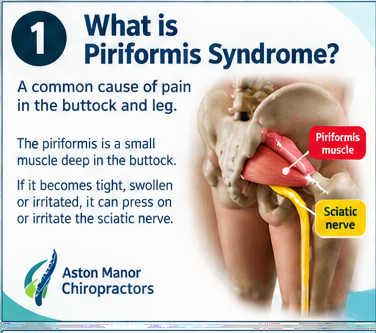
Piriformis syndrome is a term used to describe pain and irritation around the piriformis muscle, a small muscle located deep in the buttock. Because the sciatic nerve runs very close to the piriformis muscle, irritation in this area can sometimes cause pain, tingling or other symptoms that travel into the leg.
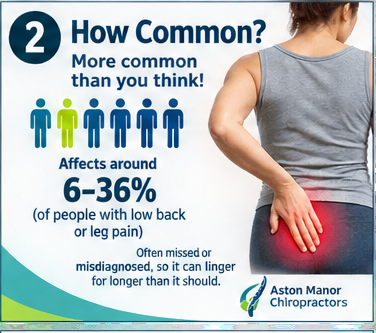
The symptoms can feel very similar to sciatica, which is why piriformis-related pain is sometimes mistaken for a problem originating in the lower back.
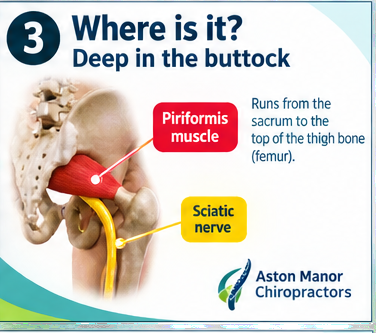
The piriformis is a small, deep muscle in the buttock.
It runs from the sacrum at the base of the spine to the upper part of the thigh bone (femur).
Its main job is to help move and stabilise the hip, particularly during activities such as walking, climbing stairs and changing direction.
Why can it cause leg pain?
The sciatic nerve passes close to the piriformis muscle. In some people, irritation or increased tension around the muscle can affect the nearby nerve and produce symptoms beyond the buttock.
This is why pain may be felt in:
The buttock → back of the thigh → sometimes further down the leg
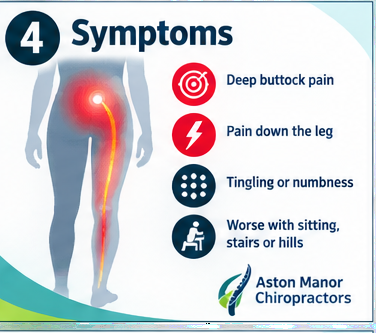
Symptoms vary from person to person, but common complaints include:
Not everyone experiences the same symptoms, and pain extending into the leg does not automatically mean that the piriformis is the cause.
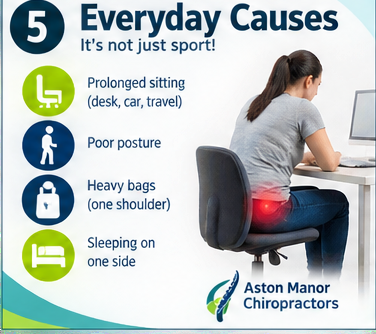
Piriformis-related symptoms are not limited to sports.
Everyday activities and habits can also contribute.
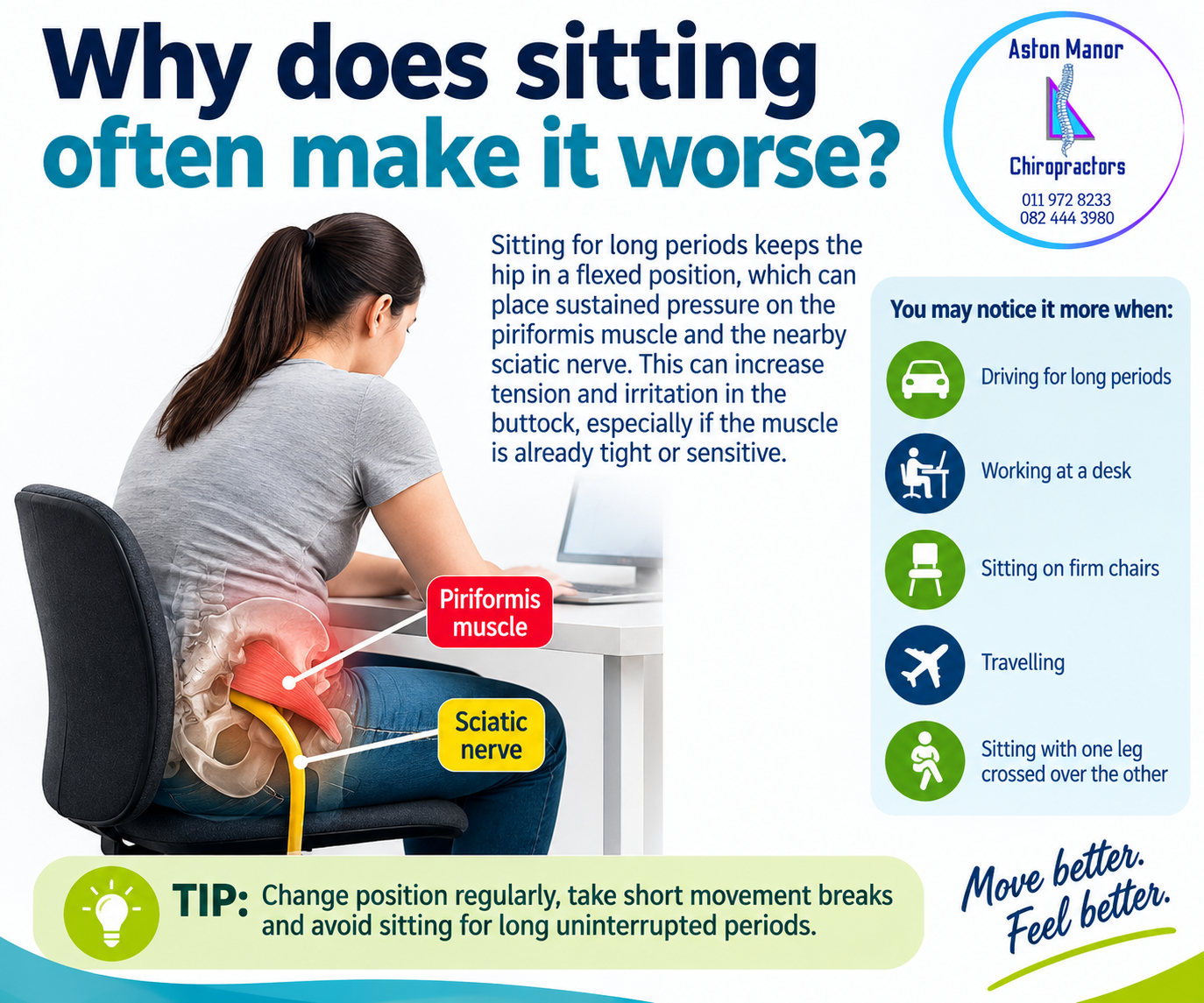

Activities that repeatedly load the hips and buttocks can sometimes aggravate symptoms.
This does not mean that exercise is harmful. In many cases, the goal is to modify the activity rather than stop moving completely.
A gradual return to normal activity is usually more helpful than prolonged rest.
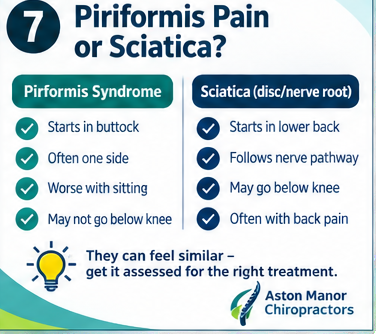
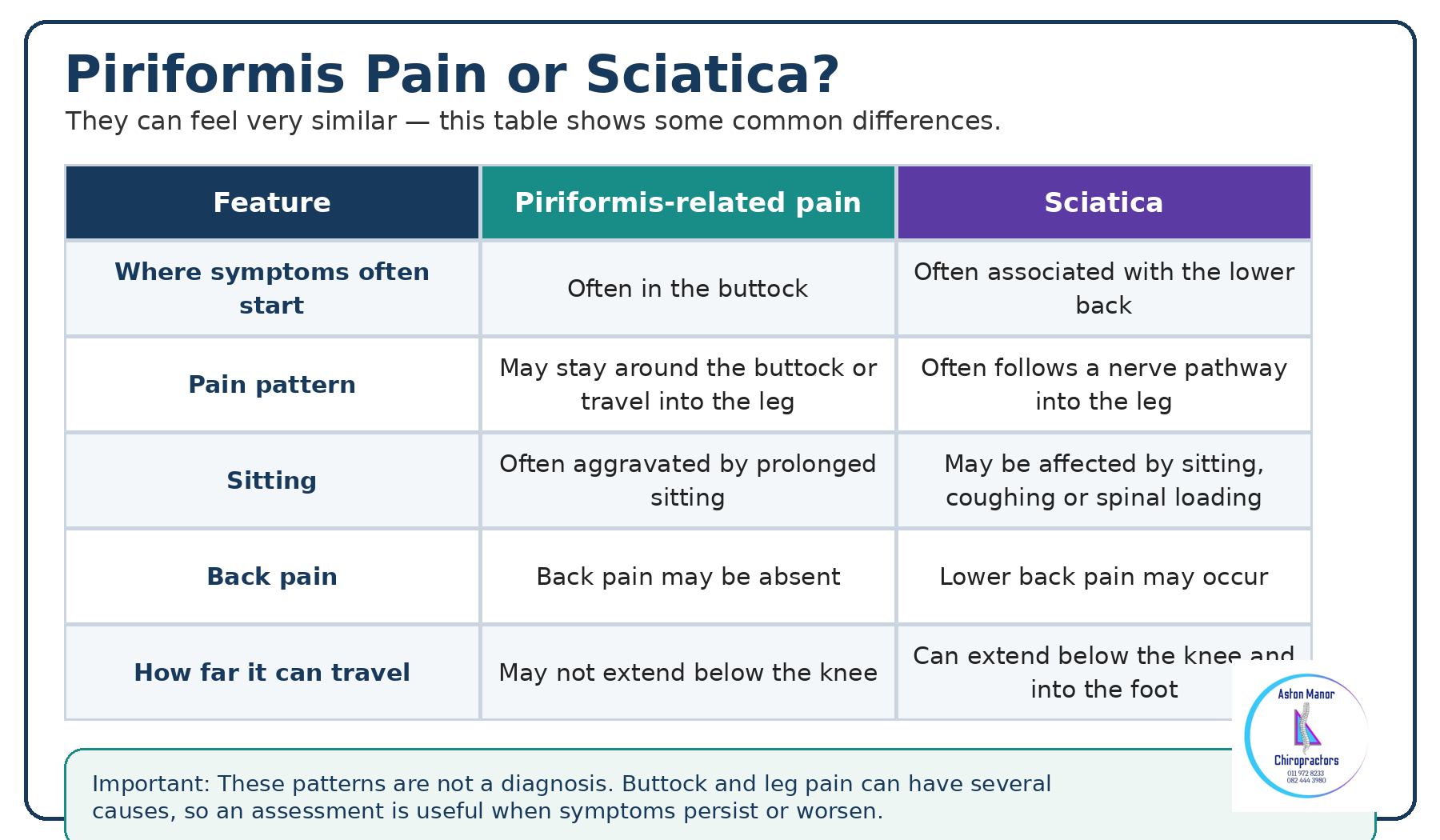
These two conditions can feel very similar.
Piriformis-related pain is associated with structures around the piriformis muscle and the nearby sciatic nerve.
Sciatica generally refers to pain caused by irritation or compression of a nerve root in the lower back.
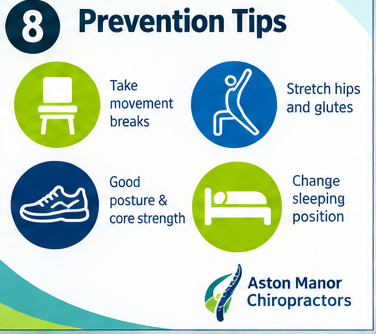
There is no single way to guarantee that piriformis pain will not occur, but some simple habits may reduce the risk of aggravation.
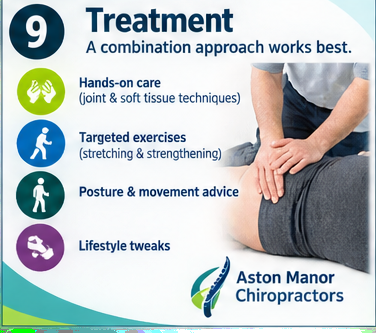
Treatment depends on what is actually causing the symptoms.
A management plan may include a combination of:
Appropriate manual techniques may be used to address painful or restricted areas around the spine, pelvis, hip and surrounding soft tissues.
Specific exercises may be used to improve mobility, strength, coordination and tolerance to everyday activity.
The aim is not simply to reduce pain, but to help you move more comfortably and return to normal activities.

You don’t have to simply live with pain and hope it goes away. If your pain has not started to improve after 2–3 days of rest, simple pain relief or reducing the activities that aggravate it, it may be worth having it assessed. Getting the right treatment early can help you return to normal activities sooner, prevent the problem from becoming more persistent, and reduce the risk of compensatory strain and further irritation.
It is worth having persistent or troublesome buttock and leg pain assessed, particularly when:
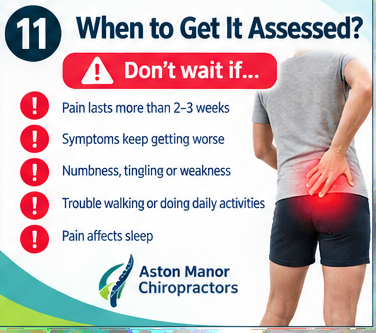
It is worth having persistent or troublesome buttock and leg pain assessed, particularly when:
Seek urgent medical attention:
Severe or rapidly progressing weakness, loss of bladder or bowel control, numbness around the groin or inner thighs, or other sudden neurological symptoms require urgent medical assessment.

Whether your symptoms started after sitting at a desk, a long car journey, exercise, repetitive work or for no obvious reason, you do not have to simply put up with persistent buttock and leg pain.
At Aston Manor Chiropractors, we can assess your symptoms and movement and discuss an appropriate plan to help you manage your pain and get back to the activities that matter to you.
Start Your Recovery
Our office hours are 8:00-17:00, Monday to Friday
Join us on our WhatsApp channel for daily tips and information about how to live a healthier and pain-free life.
This page is provided for general patient education and is not intended to replace an individual medical assessment or diagnosis. Buttock and leg pain can have several different causes. An appropriate healthcare professional should assess persistent, severe or worsening symptoms.